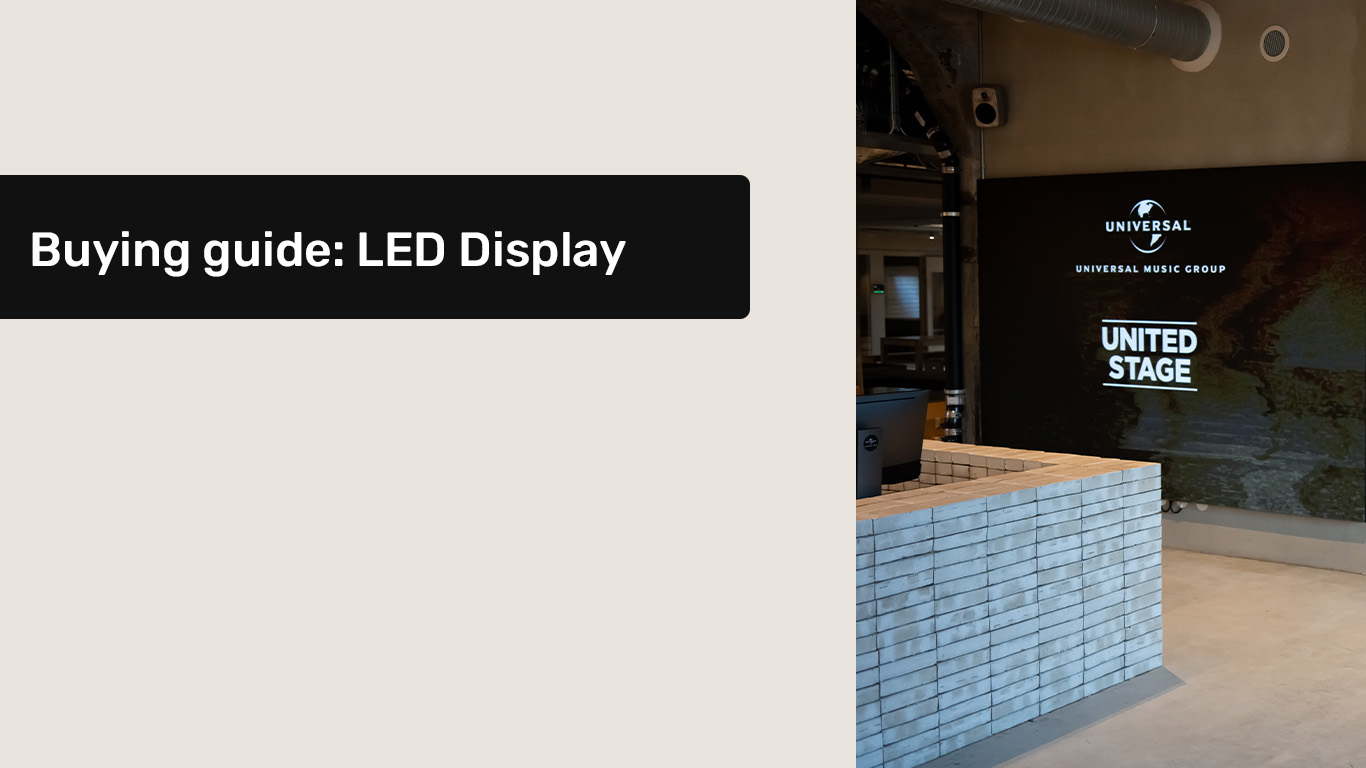
Buying an LED display is rarely just about choosing a large screen with good image quality. The key is finding a solution that matches the environment, the content being shown, the lighting conditions, and how the display will be used over time.
LED displays are used in a wide range of business settings, from retail stores, entrances, and conference rooms to arenas, hotels, restaurants, trade shows, and public spaces. However, each environment comes with different requirements. A display that performs well in a brightly lit retail space may not be the best choice for a meeting room where viewers are seated close to the screen. Likewise, an outdoor LED display requires very different specifications than a display installed in a reception area.
In this guide, we’ll walk through the key factors to consider before investing in an LED display, the questions that influence pricing, and how to plan a solution that delivers long term value and reliable performance.
Purchasing an LED display is often the best option when the screen will be used regularly, installed in a permanent location, or play an important role in your company’s communication strategy.
Buying is particularly suitable when you want to:
While renting is often the simplest choice for a one time event, purchasing an LED display can be the more practical and cost effective option when the screen will be used frequently or become a permanent part of the environment. Over time, ownership provides greater flexibility, control, and return on investment.

An LED display is made up of thousands, or even millions, of tiny light emitting diodes (LEDs) that work together to create an image. Unlike a traditional TV or projector, an LED display can be built in almost any size or shape because it consists of individual panels or modules that are assembled into a larger screen.
This modular design makes LED technology extremely flexible. Displays can be wide, tall, curved, freestanding, wall mounted, or integrated into architectural features, interior designs, and stage environments. They can be used indoors or outdoors, making them ideal for applications where brightness, size, and visibility are critical.
This is why LED displays are commonly found in environments where large groups of people need to view content simultaneously, such as retail stores, shopping centers, conference rooms, exhibition halls, arenas, and reception areas.
One of the biggest advantages of LED technology is its brightness. LED displays remain clearly visible even in bright environments where projectors or conventional displays may struggle to deliver a strong image.
This is especially important in retail stores, entrances, shop windows, exhibition halls, and outdoor locations.
For many businesses, visibility is the factor that delivers the greatest impact. A large, bright display attracts attention in a way that static signage, posters, or smaller screens rarely can.
An LED display allows you to present videos, animations, promotions, pricing information, real time data, presentations, and branded content from a single platform.
Unlike printed signage, content can be updated instantly without replacing physical materials. The same display can promote a campaign one day, provide information the next, and support an event the following week.
This flexibility helps maximize the value of the investment over time.
Traditional displays are limited to predefined sizes. LED displays can be designed to fit the space rather than forcing the space to fit the screen.
Whether you need a display that spans an entire wall, fits a specific width, complements a stage design, or integrates seamlessly into an interior environment, LED technology provides the flexibility to create a solution tailored to your requirements.
This is particularly valuable in locations where standard display formats are not sufficient.
Owning an LED display gives you complete control over how the solution is used, managed, and maintained. You can plan content, operation, servicing, and future upgrades according to your own business needs.
This is especially beneficial for organizations that rely on the display daily or want to establish a long term communication platform for customers, visitors, or employees.
Investing in an LED display does not always require a large upfront payment. Many businesses choose financing solutions that spread the cost over time while allowing them to benefit from the display immediately.
This approach can make it easier to implement a professional LED solution while preserving capital for other business priorities.
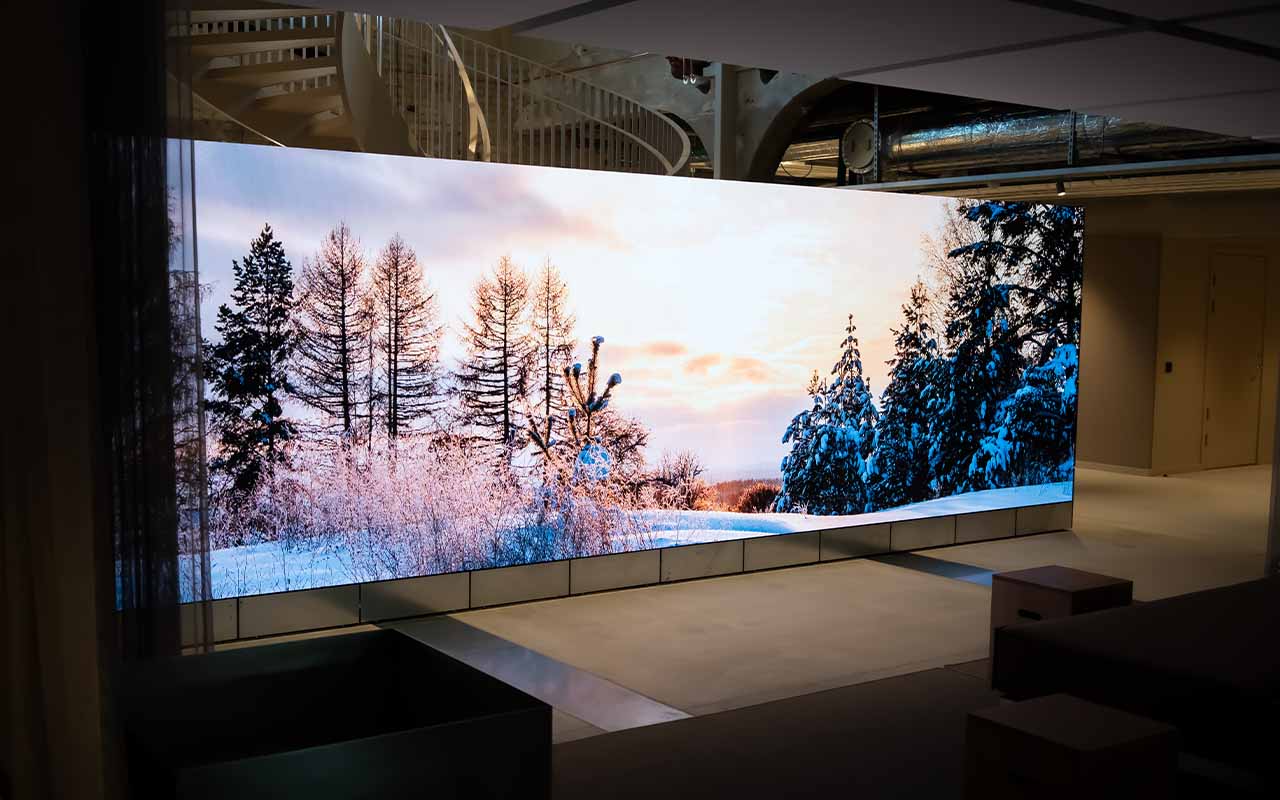
In retail environments, LED displays are used for promotions, product launches, special offers, and digital signage. Content can be updated instantly based on seasons, campaigns, inventory levels, or customer demand.
When choosing an LED display for a store, it’s important to consider viewing distance, lighting conditions, and the level of detail required. Displays viewed up close often require a finer pixel pitch, while larger displays viewed from a distance can use a wider pixel pitch without compromising image quality.
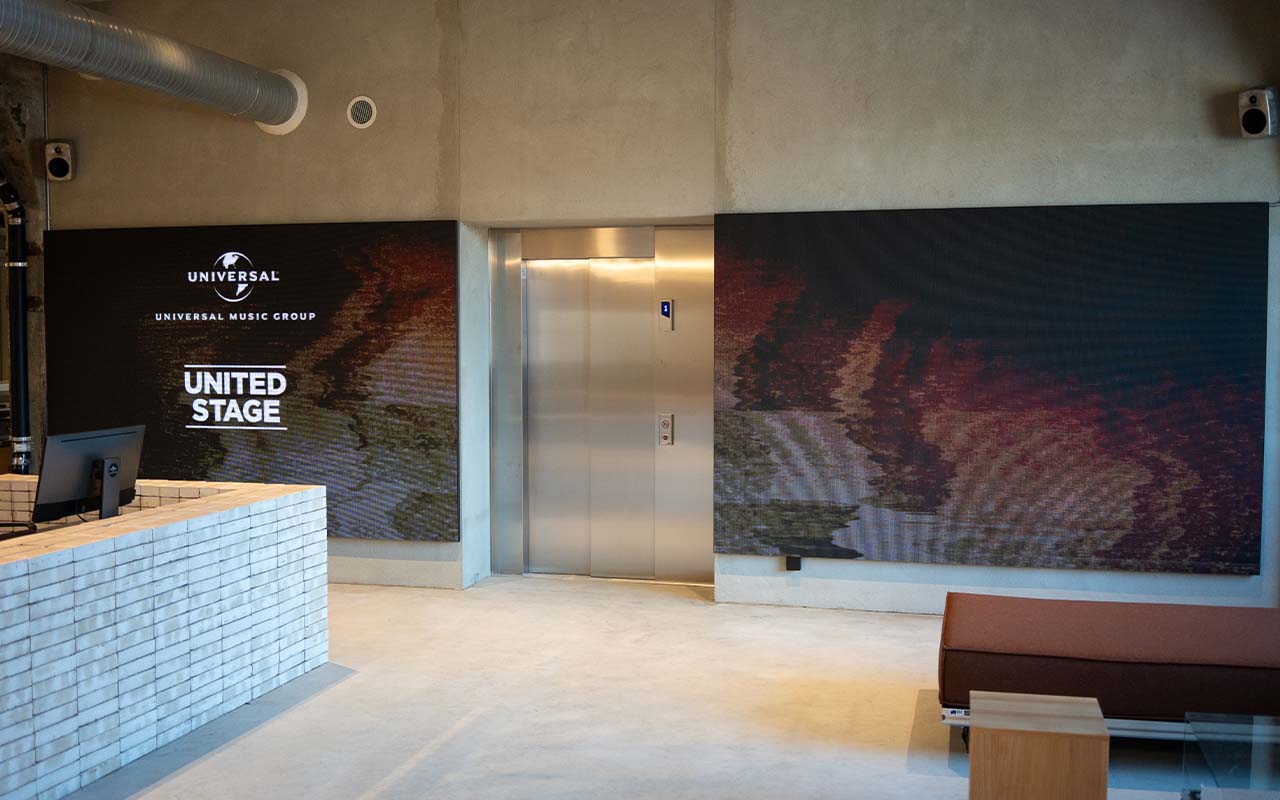
In entrances and reception areas, LED displays are often used to create a strong first impression. They can showcase brand videos, welcome messages, company information, or wayfinding content for visitors.
In these environments, the overall experience matters just as much as the technology itself. The display should not only deliver excellent image quality but also complement the space and contribute to a professional, well designed atmosphere.
In conference rooms, LED displays can be an effective alternative to projectors or multiple flat panel displays. They offer high brightness, excellent image quality, and a seamless viewing experience without visible bezels between screens.
This makes them particularly well suited for larger meeting rooms, boardrooms, training facilities, and conference environments where presentations, video content, and hybrid meetings need to be delivered professionally and clearly.

LED displays can be used for digital menus, welcome displays, event information, sports broadcasts, stage backdrops, and immersive visual content. In hotels and restaurants, the goal is often as much about creating an experience as it is about sharing information.
In these environments, placement, brightness, and content are especially important. The display should enhance the atmosphere and guest experience, not distract from it.
In public environments, LED displays can be used for information, wayfinding, safety messages, timetables, and public communications. They provide a clear and effective way to deliver important information to large audiences in real time.
For these applications, reliability, readability, and ease of content management are key considerations. A well designed LED solution ensures that information remains visible, up to date, and accessible when it matters most.
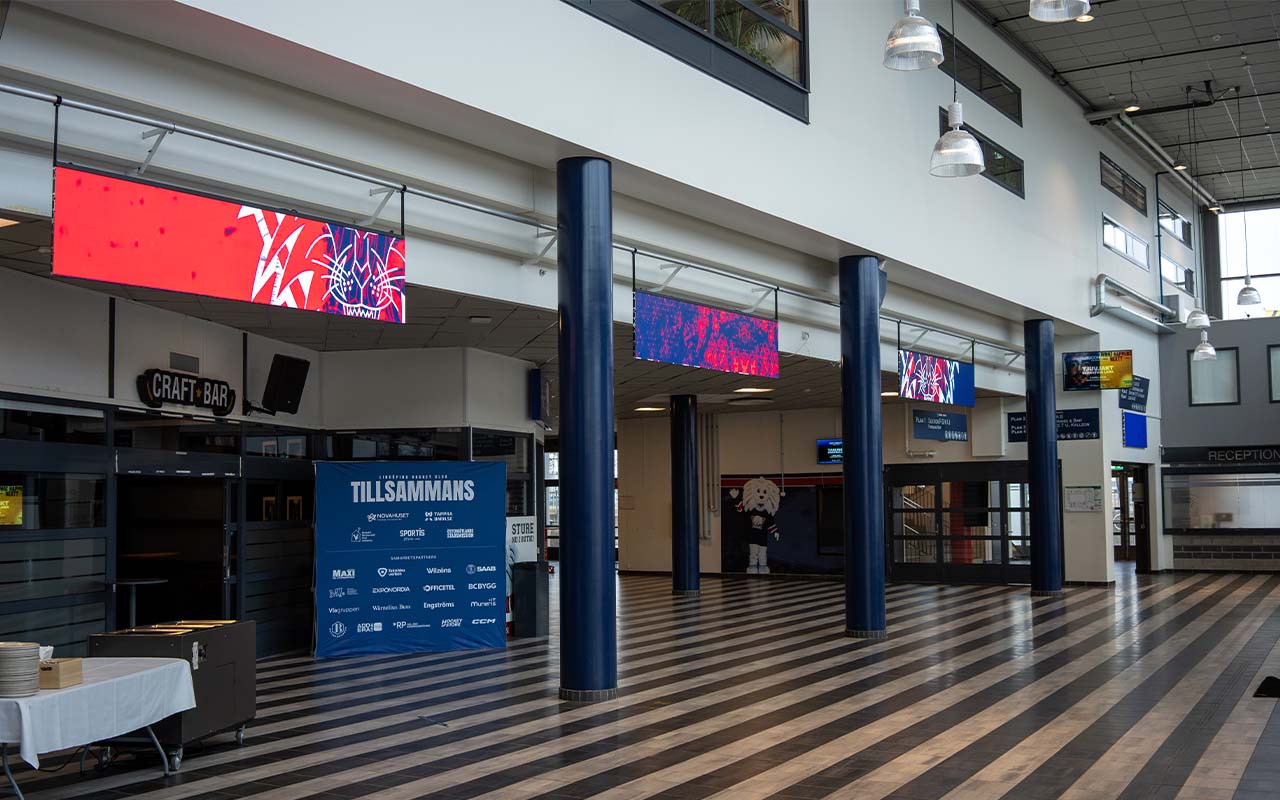
The environment plays a major role in determining the right LED display. An indoor display has different requirements than an outdoor installation. Likewise, a display in a conference room does not require the same brightness as one placed in a shop window or on a building façade.
Consider the following:
The more clearly the installation location is defined, the easier it becomes to choose the right solution.
Viewing distance is one of the most important factors when selecting an LED display because it determines the appropriate pixel pitch.
Pixel pitch refers to the distance between individual LEDs on the display. A smaller pixel pitch creates a sharper image at close viewing distances, while a larger pixel pitch is often sufficient when viewers are farther away.
A common rule of thumb is that 1 mm of pixel pitch roughly corresponds to 1 metre of viewing distance. For example, a display with a 2.5 mm pixel pitch is typically well suited for viewing from around 2.5 metres and beyond.
While this is only a guideline, it provides a useful starting point. Displays showing small text, detailed presentations, or close range content generally require a finer pixel pitch, whereas displays viewed from a distance can often use a larger pixel pitch more cost effectively.
The type of content has a direct impact on the specifications required.
A display used for brand videos, promotional campaigns, and large visual messages has different requirements than one used for spreadsheets, presentations, or detailed text.
Consider what the display will primarily be used for:
The more detailed the content, the more important resolution, pixel pitch, and display size become.
Display size should not be determined solely by the available space. It should also take into account viewing distance, content requirements, and the visual impact you want to achieve.
A common mistake is choosing the display size first without considering how it will be used. A large display with insufficient resolution may appear coarse when viewed up close, while a smaller display with an extremely fine pixel pitch may add unnecessary cost if viewers are primarily at a distance.
The ideal solution balances size, resolution, viewing distance, and budget.
An LED display also requires a system for managing content. This can range from a simple media player to a more advanced digital signage platform that controls multiple displays from a central location.
Consider who will update the content and how frequently updates are needed.
The technology behind the display should simplify day to day operations, not create additional administrative work.
It’s easy to assume that a lower pixel pitch is always the better choice. In reality, that’s not always the case.
A finer pixel pitch delivers a sharper image at close viewing distances, but it also comes at a higher cost. If viewers are typically positioned farther away from the screen, a larger pixel pitch can often provide an equally good viewing experience at a lower investment cost.
For example:
The best solution is not always the most technically advanced display. It’s the display that looks great from the intended viewing distance, supports the right type of content, and fits your budget.
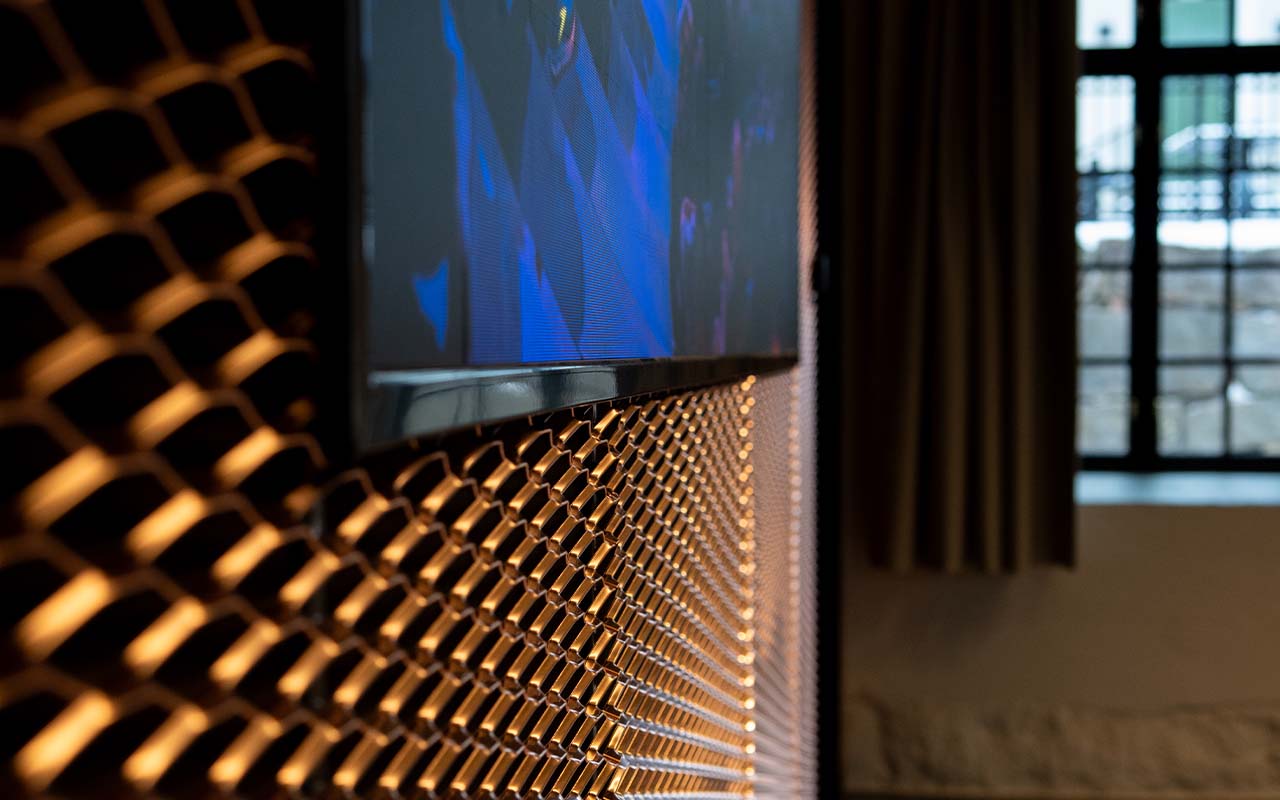
One important factor that is often overlooked is that LED displays are not always easy to expand later.
It may seem practical to install a smaller display today and add more panels in the future. In reality, this can create challenges. LED panels are manufactured in production batches, and panels from different batches may vary slightly in color, brightness, and overall appearance. Even when using the same model, these differences can become visible when panels are installed side by side.
Displays also change over time. LEDs gradually age, meaning an older display may have different brightness levels than newly manufactured panels. Calibration can help reduce these differences, but achieving a perfect match is not always possible.
For this reason, it’s worth considering future requirements before making a purchase:
If you already expect your needs to grow, it is often better to plan for the right size from the beginning or design the solution in a way that accommodates future changes more effectively.
An LED display is more than just a product, it’s a technical installation that requires proper planning, support, and maintenance. That’s why service and support should be an important part of the purchasing decision.
Before investing in an LED display, consider asking the following questions:
For businesses that rely on LED displays as part of their daily communication, reliability and support can be just as important as the display itself. A dependable service plan helps ensure consistent performance, minimizes downtime, and protects the long term value of the investment.
The cost of an LED display depends on several factors. While display size and pixel pitch have a significant impact, they are only part of the overall investment.
Factors that typically influence pricing include:
Because of these variables, it is difficult to provide an accurate price without first understanding the installation environment and project requirements. Two displays that appear identical in size can vary significantly in cost depending on factors such as resolution, brightness, environmental conditions, and installation complexity.
A good quotation should include more than just the display itself. It should provide a complete solution that covers the display, content management system, installation, support, and clear recommendations based on your specific needs.
A successful LED display project starts with understanding your needs, not simply choosing a product. That’s why we take the time to evaluate your location, intended use, content requirements, budget, and technical considerations before recommending a solution.
Our process typically looks like this:
Our goal is to deliver an LED display solution that performs reliably in the real world, not just one that looks impressive on a specification sheet.
If you only need an LED display for a one time event, renting is often the best option. You’ll get the right equipment for the occasion, access to technical support, and avoid concerns about storage, maintenance, and long term ownership.
However, if the display will be used regularly or installed permanently, purchasing is often the more practical and cost effective choice. Ownership allows you to invest in a solution tailored to your environment and available whenever you need it.
A simple rule of thumb:
If you’re unsure which option is right for you, we can help compare the alternatives based on usage frequency, budget, and operational requirements.
Before requesting a quotation, it helps to consider the following questions:
You don’t need to have all the answers before getting in touch. However, the more we understand about your requirements and intended use, the better we can recommend a solution that fits your needs.
Buying an LED display is an excellent choice when you need a long term, highly visible, and flexible solution for communication, presentations, or customer experiences. However, choosing the right display involves more than simply comparing size and price.
The most important factors are the installation environment, viewing distance, content requirements, and how the display will be used over time. Pixel pitch, brightness, content management systems, service support, and future spare parts availability all play a role in both performance and total cost of ownership.
At Trefyr, we help businesses select, install, and manage LED display solutions for retail stores, offices, conference rooms, event venues, and public spaces. Whether you already know exactly what you need or are just exploring the possibilities, we can help you find a solution that fits your requirements and delivers long term value.
We can help you design custom solutions for LED video wall, display and screen rental or installation in any application. Whatever the size, complexity, or type of installation, we will find the solution that meets your needs.