
For the introduction of your guide, a natural English translation would be:
A large LED screen can make a significant impact at an event. It can be used to display speakers, presentations, sponsors, live camera feeds, schedules, graphics, videos, social media content, and important audience information. However, choosing the right solution involves more than simply selecting a large screen.
The display needs to suit the venue, audience size, lighting conditions, content, and overall production requirements. A screen that works well on an indoor stage may not be the right choice for a trade show, sporting event, or outdoor festival.
When you rent a large LED screen, you get a solution tailored to the specific event. There’s no need to purchase equipment, manage storage, or handle the technical setup yourself. Instead, you benefit from expert guidance on screen size, pixel pitch, installation, signal distribution, technical support, and event execution.
In this guide, we’ll explain how to rent a large LED screen for an event, what information to include in your event brief, and how the process typically works from the initial inquiry through installation and dismantling.
Renting a large LED screen is often the best option when the need is temporary, event specific, or varies from one production to another.
Typical use cases include:
If you only need a screen for a day, a weekend, or a limited period, renting is usually more practical than purchasing. You get the right equipment for the event without investing in a permanent solution.
Renting is also ideal when future requirements are uncertain. One event may require a large stage backdrop, while the next may need two smaller side screens. With a rental solution, the setup can be tailored to the specific needs of each event.
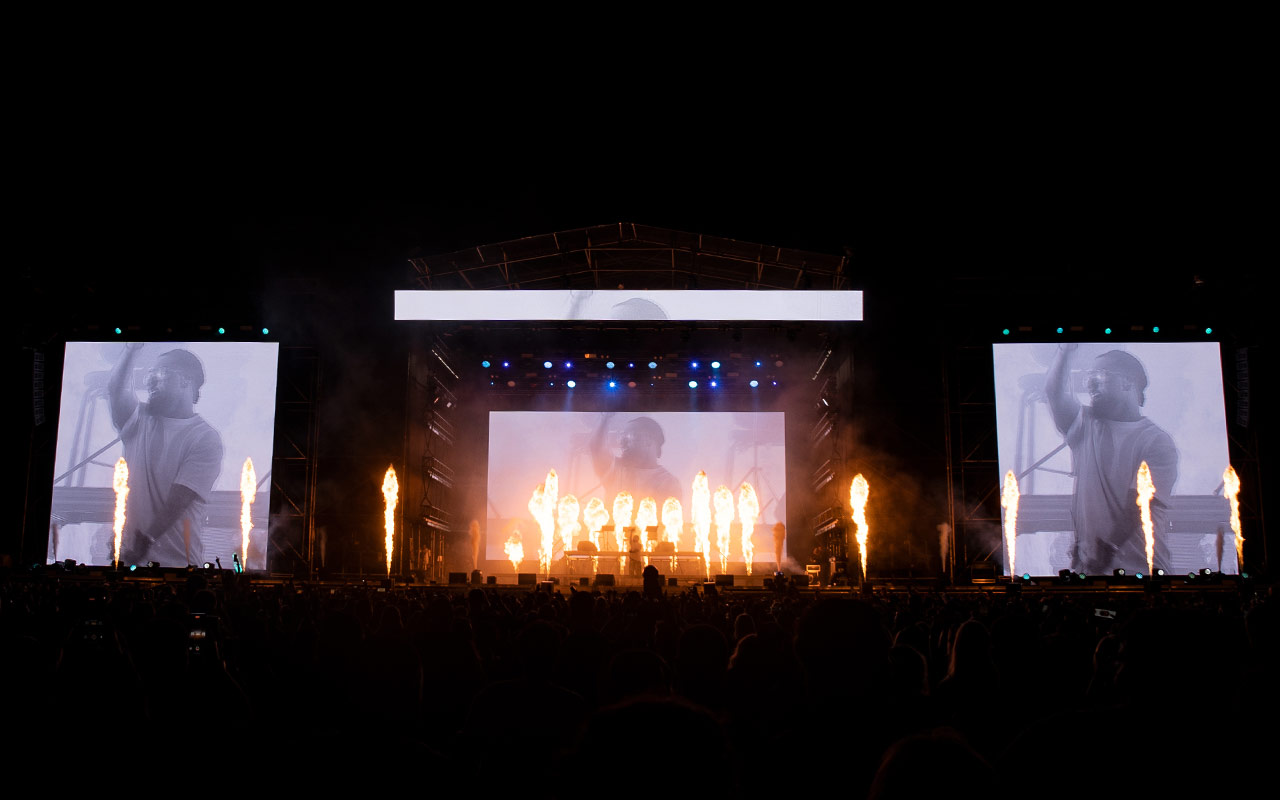
Different events require different solutions. Screen size, placement, pixel pitch, brightness, and mounting options all need to be tailored to the venue, audience, and content.
By renting, you can choose the most suitable display for each event rather than trying to make a single screen work in every situation.
LED displays require storage, transportation, maintenance, and technical expertise. For many organizations, owning equipment that is only used occasionally is simply not practical.
With a rental solution, planning, delivery, installation, operation, and dismantling are typically included, making the process simpler and reducing the risk of technical issues.
A large LED screen is often part of a broader event production involving video switchers, cameras, computers, presentations, sound systems, lighting, and other technical equipment.
When you rent, experienced technicians ensure that signals, content formats, and equipment work together seamlessly. This is especially important for live events where reliability is critical.
Rental solutions can be adapted to the size and requirements of each event. You might need a smaller display for a corporate presentation, a large LED wall for a stage production, or multiple screens for an exhibition.
This flexibility makes renting an ideal choice for organizations that host different types of events throughout the year.
A rental project provides a clear scope of delivery, including the display solution, installation method, setup schedule, technical support, and dismantling plan.
This makes it easier to coordinate with venues, staging, audio, lighting, and other suppliers, helping ensure a smooth and well organized production.

It is not always obvious whether renting or buying an LED display is the right choice. As a general rule, renting is best for temporary needs, while purchasing is better for frequent or permanent use.
Rent if:
Buy if:
Even for recurring events, renting can still be the better option. Many organizations choose rental solutions because every event has different requirements, stage layouts, audience sizes, and technical demands. Renting provides the flexibility to adapt the solution to each occasion without being limited by a fixed installation.
When people talk about large screens for events, they are usually referring to LED displays. An LED screen is built from multiple panels that are assembled to create the required size and shape.
This makes LED technology highly flexible. Displays can be configured as wide screens, tall screens, square formats, stage backdrops, or side screens. They can also be used both indoors and outdoors, depending on the type of LED panels selected.
Compared to projectors, LED displays offer several advantages for events. They provide bright, high visibility images, perform well in challenging lighting conditions, and do not require the projection distance that projectors need. Because the LED display is the image surface itself, it is often easier to integrate into stages and event environments.
Projectors can still be a good option in certain situations, particularly in darker venues where a suitable projection surface is already available. However, for many events where visibility, scale, and flexibility are priorities, LED displays are often the more effective solution.

A successful LED screen rental starts with a well prepared brief. It doesn’t need to be perfect, but it should provide enough information for the supplier to recommend the right solution.
The most important details to include are:
The more information included in the brief, the easier it is to recommend the right display solution and avoid unexpected challenges during production.
The content you plan to show has a greater impact on screen selection than many people realize. A display used for live stage video has different requirements than one used for presentations containing text, charts, and detailed information.
Consider whether the screen will be used for:
If the display needs to show small text or detailed graphics, it must have sufficient resolution and an appropriate pixel pitch for the viewing distance. If the primary purpose is to display video, large messages, and visual content, the requirements may be different.
It’s also important to determine the content format early in the planning process. A wide LED wall may require different aspect ratios and content layouts than a standard 16:9 display. For the best results, content and screen specifications should be planned together.

The ideal screen size depends on your audience, viewing distance, and the type of content being displayed.
A common mistake is selecting a screen based solely on the available stage space without considering how the audience will actually experience the content. A screen may appear large on a floor plan but still feel too small for viewers at the back of the venue. On the other hand, it may be larger than necessary if the audience is positioned close to the stage.
Key questions to consider:
For larger events, a combination of screens is often the best solution. A main stage screen paired with side screens for viewers farther away can provide a better viewing experience than relying on a single display.
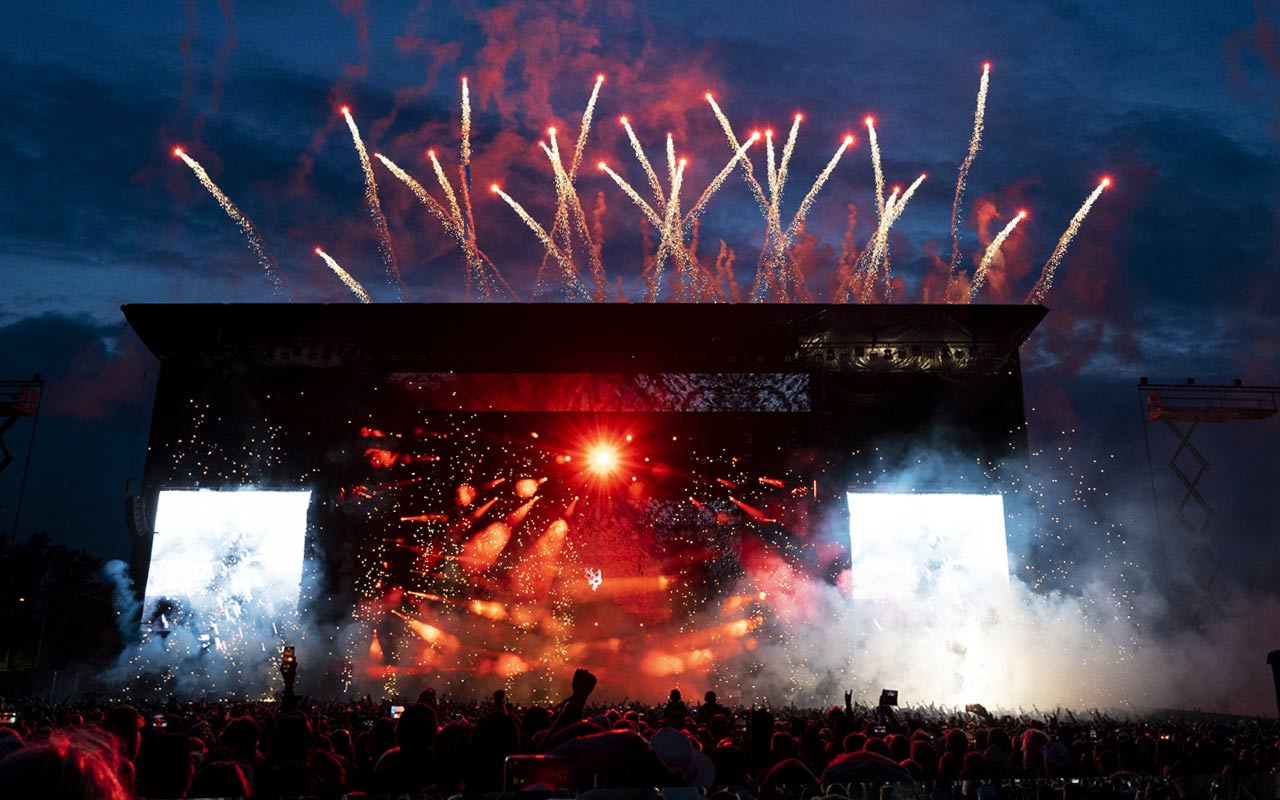
Pixel pitch refers to the distance between the LEDs on a display and is measured in millimetres. It plays a key role in how sharp the image appears, particularly at close viewing distances.
A smaller pixel pitch means the LEDs are packed more closely together, resulting in greater image detail and clarity when viewed up close. A larger pixel pitch can work perfectly well when the audience is positioned farther away.
A common rule of thumb is that the pixel pitch in millimetres roughly corresponds to the minimum comfortable viewing distance in metres.
For example:
These are only general guidelines. The type of content, display size, and audience expectations should also be taken into account.
For presentations, spreadsheets, and text heavy content, pixel pitch becomes especially important. For stage backdrops, video playback, and large visual graphics, a larger pixel pitch can often deliver excellent results while remaining more cost effective.

An outdoor LED display must meet very different requirements than an indoor installation.
For outdoor events, key considerations include:
Indoor displays typically do not require the same level of brightness or weather protection. However, they may require a finer pixel pitch and higher resolution if the audience will be viewing the screen from a short distance.
This is why it’s important to clearly define whether the event is indoors, outdoors, or a combination of both. A display that performs perfectly in an exhibition hall may not be suitable for an outdoor stage or public square installation.
How the LED screen is installed affects not only the visual result, but also the cost, planning, and safety of the project.
Common installation options include:
The best solution depends on the venue, display size, audience layout, and available infrastructure. Some venues provide rigging points in the ceiling, while others require floor supported structures or custom mounting systems.
For outdoor events, safety becomes even more important. Wind loads, ground conditions, crowd flow, and structural stability must all be considered during the planning process to ensure a safe and successful installation.
The LED screen is only one part of the overall production. To ensure everything runs smoothly, additional equipment is often required.
This may include:
If the event includes live camera feeds, presentations, videos, and multiple speakers, the signal flow needs to be carefully planned. It should be clear who is responsible for each content source, which formats will be used, and who will manage switching between inputs during the event.
For smaller events, the setup can be relatively straightforward. Larger productions, however, typically require more detailed planning and coordination to ensure a seamless experience.

The cost of renting a large LED screen depends on several factors. It’s not just about the size of the display.
Key factors that typically influence pricing include:
As a result, two events with the same screen size can have very different costs. A straightforward indoor event with easy venue access is very different from an outdoor production that requires wind rated structures, longer installation times, and technical staff throughout the event.
A good quotation should therefore cover the entire delivery, not just the number of square metres of LED screen. It should clearly outline the display solution, technical equipment, installation, support, and any additional services required for a successful event.
To receive a more accurate quotation for a rented LED screen, it helps to have answers to the following questions:
You don’t need to have every detail finalized from the start. However, the more information you can provide, the easier it is to recommend the right solution and prepare an accurate quotation.
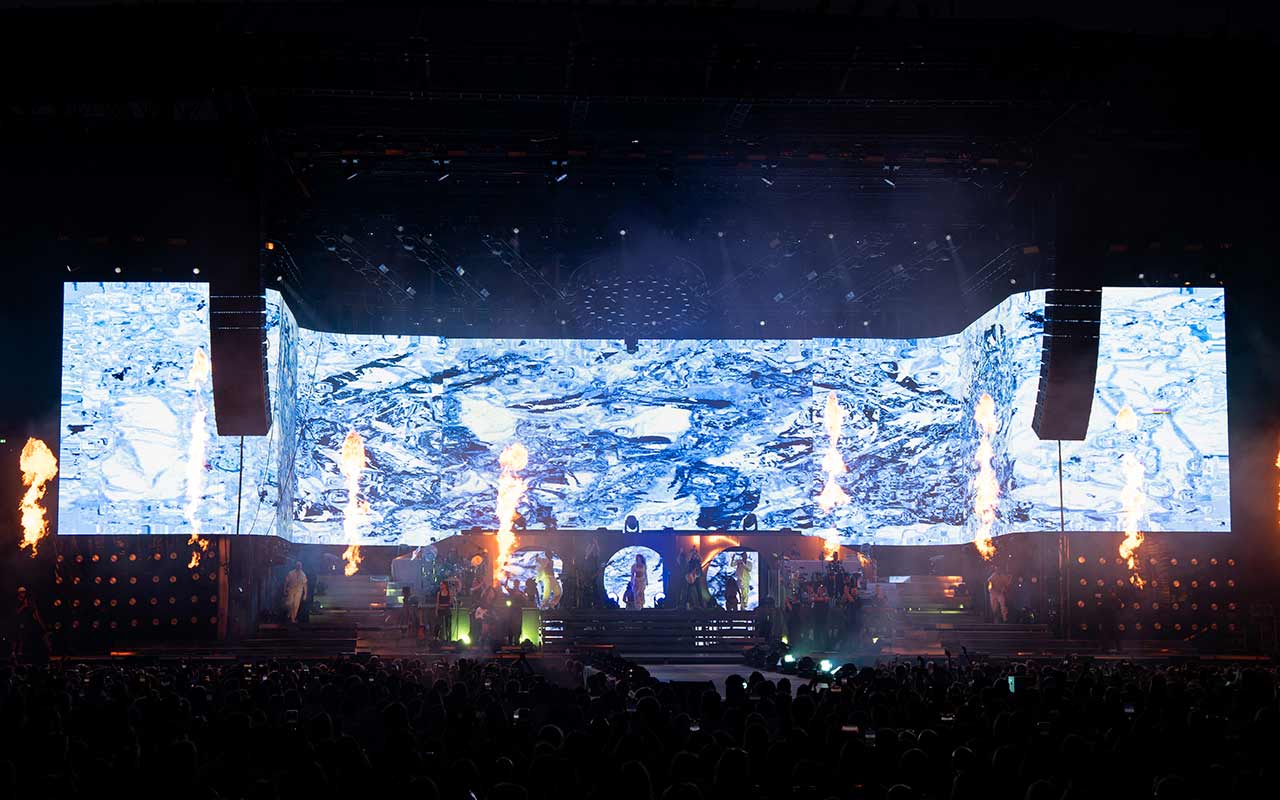
On site technicians are recommended whenever the LED screen plays a critical role in the event, when content needs to be managed live, or when multiple video sources must be coordinated.
Technical support is particularly valuable for:
For simple information displays or looped content, the need for on site technicians may be less critical. However, for important events, having technical support on site is often a cost effective way to minimize risk and ensure everything runs smoothly.
Renting a large LED screen is often the best choice for events, trade shows, concerts, conferences, and temporary productions. It provides flexibility, access to the right technology for each event, and professional support with planning, installation, and execution.
The key is to start with the intended use. What will be displayed on the screen? How large is the audience? How far away will viewers be? Is the event indoors or outdoors? Will on site technicians be required?
Once these questions are answered, it becomes much easier to determine the right screen size, pixel pitch, mounting solution, and technical setup.
At Trefyr, we support you throughout the entire process, from the initial brief to the final event. We recommend the right LED screen solution, plan the technical setup, handle installation, test the content, and ensure everything runs smoothly on the day of the event.
We can help you design custom solutions for LED video wall, display and screen rental or installation in any application. Whatever the size, complexity, or type of installation, we will find the solution that meets your needs.
